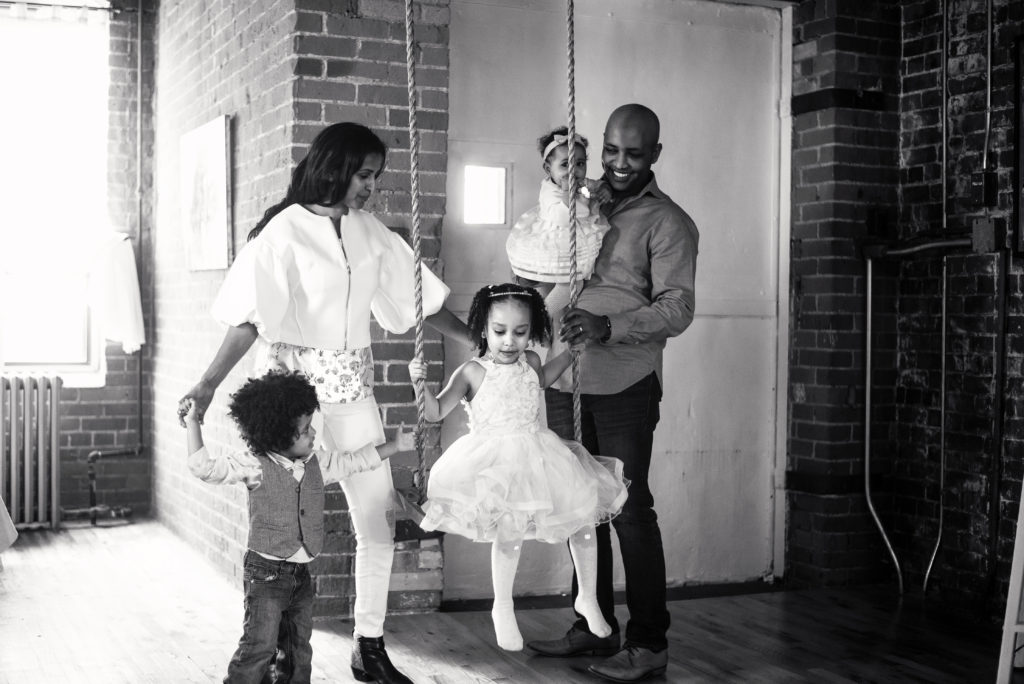
Family is the first social environment a child encounters, making it the foundation for children’s sense of identity and their feeling of belonging. From birth, children learn who they are and where they fit in the world through interactions with parents, siblings, and extended relatives. These early connections influence values, cultural understanding, emotional well-being, and how children relate to others throughout life.
In this article, we explore how family experiences shape a child’s self-concept, the role of cultural and emotional heritage, and ways to foster a strong sense of belonging in a rapidly changing world.
1. The Role of Family in Children’s Sense of Identity
Identity is a complex blend of self-awareness, values, traditions, and personal beliefs. For children, family serves as the mirror through which they see themselves.
According to the American Psychological Association, children’s identity formation is strongly linked to the messages they receive from their caregivers—both spoken and unspoken. Daily interactions, shared rituals, and consistent support create a sense of stability that helps children define who they are.
Ways family influences identity:
- Values and Morals – Parents often pass on ethical standards through behavior and guidance.
- Cultural Heritage – Traditions, languages, and customs root children in their ancestry.
- Self-Worth – Positive reinforcement from family builds self-esteem and resilience.
2. Family Influence on the Feeling of Belonging
Belonging is more than being physically present—it’s the emotional assurance that one is valued and accepted. Families create belonging through love, trust, and shared experiences.
The Child Mind Institute highlights that a sense of belonging reduces anxiety, increases confidence, and strengthens resilience in children. Children who feel secure at home are better equipped to navigate friendships, school, and other social environments.
Practical ways to nurture belonging:
- Establish family traditions.
- Show consistent interest in children’s thoughts and feelings.
- Encourage participation in household decisions appropriate for their age.
📚 Lendy Tutorial Services
We offer online tutoring for kids anywhere in the world 🌍. Math, English, Science, Reading & more — with patient, expert teachers who care.
💬 Message us on WhatsAppFlexible schedules | Affordable rates | Fun & engaging lessons
3. Cultural Heritage and Its Impact on Identity
Cultural heritage plays a key role in shaping identity. Celebrating customs, practicing native languages, and honoring family history give children a strong sense of self.
Examples include:
- Cooking traditional meals together.
- Participating in cultural festivals.
- Sharing family stories from older generations.
Organizations like UNESCO emphasize that cultural continuity supports emotional well-being and community connection, especially for children growing up in multicultural environments.
4. Emotional Bonds and Self-Esteem Development
Strong emotional bonds within the family contribute to a child’s self-worth. When children feel accepted and loved, they are more likely to develop confidence and healthy relationships outside the home.
Building emotional bonds:
- Active listening without judgment.
- Offering praise for effort, not just results.
- Providing comfort and reassurance during challenges.
The National Association for the Education of Young Children states that nurturing relationships between family members create a secure base from which children explore the world.
5. How Parenting Styles Affect Identity Formation
Different parenting styles—authoritative, authoritarian, permissive, and uninvolved—can have varying effects on identity and belonging.
- Authoritative Parenting (warm yet firm) often produces confident, socially responsible children.
- Authoritarian Parenting (strict with little warmth) may lead to obedience but lower self-esteem.
- Permissive Parenting (high warmth, low discipline) can encourage creativity but may lack boundaries.
- Uninvolved Parenting can result in feelings of neglect or insecurity.
The CDC provides guidance on positive parenting strategies that support both identity and belonging.
6. Family Stories and Intergenerational Connections
Storytelling is a powerful tool for identity-building. Sharing stories about parents, grandparents, and ancestors connects children to a bigger narrative, giving them a sense of continuity.
Ideas for incorporating family stories:
- Create a family tree together.
- Record oral histories from older relatives.
- Compile a scrapbook of photos and written memories.
Such activities reinforce the understanding that children are part of something larger than themselves, which strengthens belonging.
7. Supporting Identity in Blended and Diverse Families
In blended families or those with diverse cultural backgrounds, identity-building requires intentionality. Respecting each parent’s heritage, maintaining open communication, and celebrating differences help children embrace multiple aspects of their identity.
Suggestions:
- Celebrate traditions from both sides of the family.
- Discuss cultural differences openly and positively.
- Encourage children to share their own interpretations of family identity.
8. The Role of Family in Social Skills and Peer Relationships
Children who feel secure and valued at home are more likely to form healthy peer relationships. The home environment serves as the first classroom for learning empathy, conflict resolution, and communication.
- Encourage collaborative family games.
- Model respectful conversation.
- Discuss challenges in friendships and brainstorm solutions together.
Strong family support gives children the confidence to navigate social dynamics in school and community settings.
9. Challenges That Affect Identity and Belonging
Not all family situations are stable. Divorce, relocation, financial struggles, or loss can disrupt a child’s sense of identity and belonging. While challenges can cause uncertainty, they also present opportunities for resilience-building.
Strategies for navigating challenges:
- Maintain as many familiar routines as possible.
- Offer reassurance about their value and place in the family.
- Seek counseling or support groups when needed.
The National Alliance on Mental Illness offers resources for families navigating transitions and emotional challenges.
10. Practical Tips for Strengthening Family Bonds
- Shared Meals – Regular family dinners encourage conversation and connection.
- Weekly Check-ins – Discuss upcoming events, successes, and concerns.
- Family Projects – Work together on gardening, home improvements, or charity efforts.
- Tech-Free Time – Dedicate certain hours to device-free interaction.
Family is the first and most influential teacher of identity and belonging. By fostering emotional bonds, celebrating cultural heritage, and providing consistent support, families help children develop a strong sense of self and a secure place in the world.
Whether through storytelling, shared traditions, or simply showing daily love and respect, the family’s role in shaping who a child becomes cannot be overstated. Strong roots give children the confidence to spread their wings.
children’s sense of identity, feeling of belonging, cultural heritage in families, emotional bonds in child development, parenting styles and identity, family traditions for kids, family influence on social skills
Discover how family shapes children’s identity and belonging through cultural heritage, emotional bonds, parenting styles, and shared traditions.