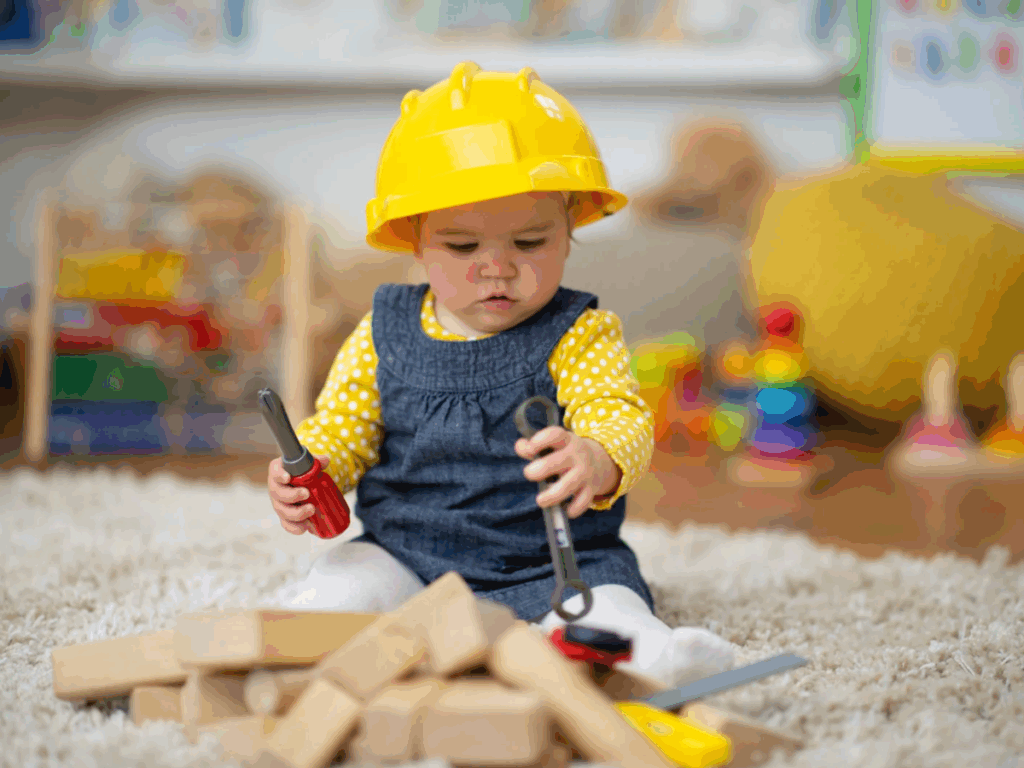
To a child, a cape isn’t just a costume—it’s a key to courage. A chef’s hat, a sparkly dress, or a cardboard crown can unlock worlds where they can dream big, take on new roles, and express their imagination. Dress-up play, often seen as just pretend fun, is actually a powerful tool that supports your child’s emotional, social, and cognitive growth.
When children dress up, they’re not just playing—they’re practicing real-life skills that shape how they see themselves and interact with the world.
The Power of Pretend: Why Dress-Up Matters
Children learn best through play, and dress-up offers one of the richest opportunities for creative expression, identity-building, and confidence development. It allows children to explore different roles, scenarios, and emotions in a safe and fun way.
Through dress-up, children:
- Imagine and experiment with the world around them
- Practice problem-solving and storytelling
- Build empathy by “stepping into someone else’s shoes”
- Strengthen language and communication skills
According to Zero to Three, imaginative play like dress-up helps develop essential brain connections tied to thinking, creativity, and self-regulation.
How Dress-Up Boosts Confidence
Trying on different roles—like a teacher, astronaut, superhero, or doctor—helps children see themselves as capable, powerful, and important. These moments of role play give them a chance to act out situations where they feel in control, solve problems, or help others.
Benefits to self-confidence include:
- Practicing leadership and speaking skills
- Gaining courage to try new things
- Feeling proud of their choices and stories
- Expressing personality in a playful, judgment-free way
Children who regularly engage in dress-up are more likely to take initiative, express opinions, and show resilience in social settings.
Encouraging Creativity and Imagination
Dress-up play invites children to invent stories, characters, and worlds. Whether they’re a dragon tamer or a forest explorer, they use their imagination to create rules, build narratives, and think flexibly.
You’ll notice that during pretend play, children often:
- Use household items as props in creative ways
- Combine costumes or characters for new storylines
- Create dialogue, sound effects, and emotional expressions
This type of play stimulates creativity and helps your child become a confident problem-solver in everyday life.
Supporting Dress-Up at Home
You don’t need to buy expensive costumes to encourage dress-up. A simple box of scarves, hats, old clothes, or handmade props is more than enough to inspire hours of creative play.
Here are a few ideas to support dress-up at home:
- Set aside a space or box for costumes and props
- Let your child lead and decide what character they want to become
- Ask open-ended questions like, “Who are you today?” or “What’s your story?”
- Celebrate their creativity without correcting or directing the play
- Join in when invited—playing together deepens the connection and builds confidence
📚 Lendy Tutorial Services
We offer online tutoring for kids anywhere in the world 🌍. Math, English, Science, Reading & more — with patient, expert teachers who care.
💬 Message us on WhatsAppFlexible schedules | Affordable rates | Fun & engaging lessons
Looking for more inspiration? PBS Parents offers great activities and printable props to support imaginative play at home.