Playtime is often seen as just fun and games, but for children, it’s much more than that. When parents actively play with their kids, they are not only joining in the laughter but also creating lasting memories, building stronger connections, and supporting healthy development. For children, play is a language of love—and when parents participate, it speaks volumes.
Why Playing With Your Kids Matters
- Strengthens Parent-Child Bonds: Shared play creates moments of joy and trust that deepen the emotional connection between parents and children.
- Boosts Emotional Security: Kids feel valued and important when their parents join in their world of play.
- Encourages Learning Through Fun: Play helps children understand problem-solving, teamwork, and creativity in ways they enjoy.
- Supports Healthy Development: Physical games help with coordination, active play builds strength, and pretend play enhances imagination.
- Reduces Stress: Playing together creates laughter and joy, easing worries for both kids and parents.
The Importance of Play on Child Growth
- Cognitive Growth: Games with puzzles, building blocks, or problem-solving spark creativity and improve focus.
- Social Growth: Playing together teaches sharing, cooperation, and empathy.
- Emotional Growth: Children learn to manage emotions like excitement, frustration, or disappointment in a safe and loving space.
- Physical Growth: Active games—like running, climbing, or playing ball—help build strong muscles and healthy bodies.
Simple Ways to Play With Your Kids
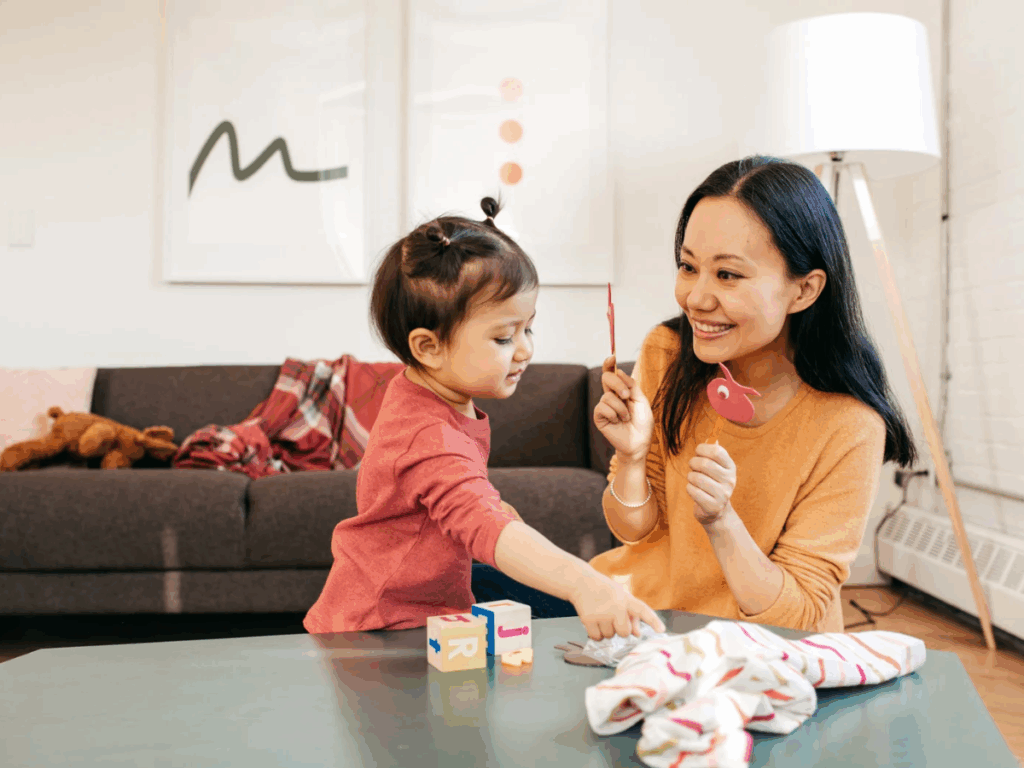
- Join Pretend Play: Become a superhero, a chef, or a teacher and let their imagination lead the way.
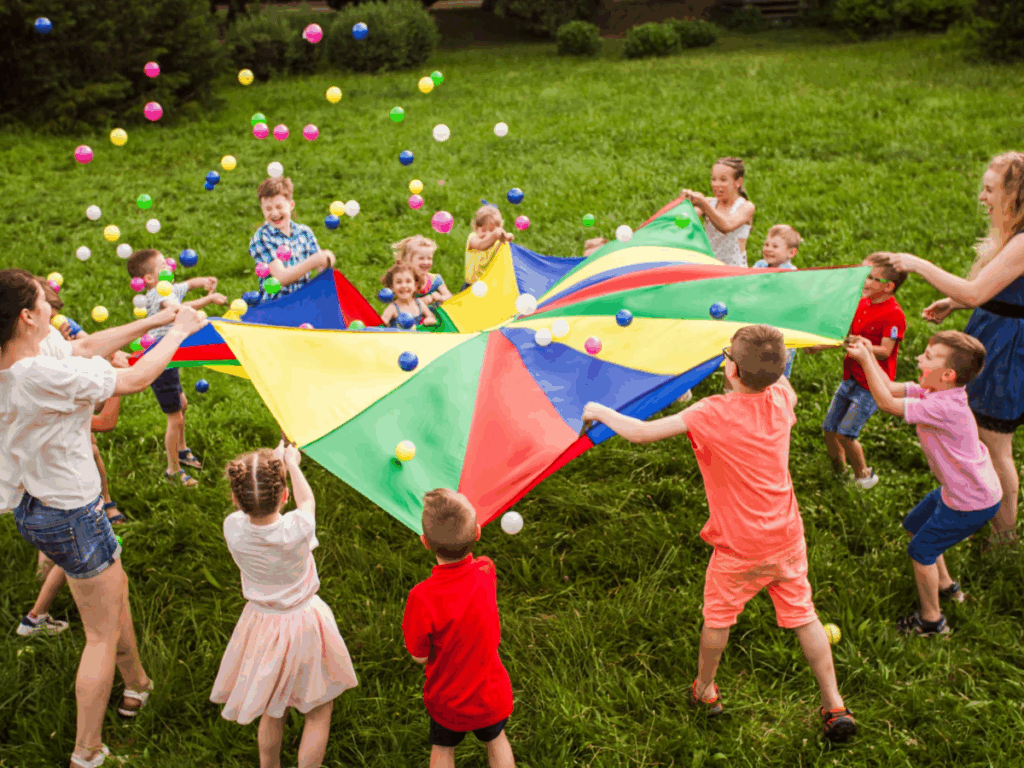
- Play Active Games: Run, jump, dance, or have a mini sports game together.
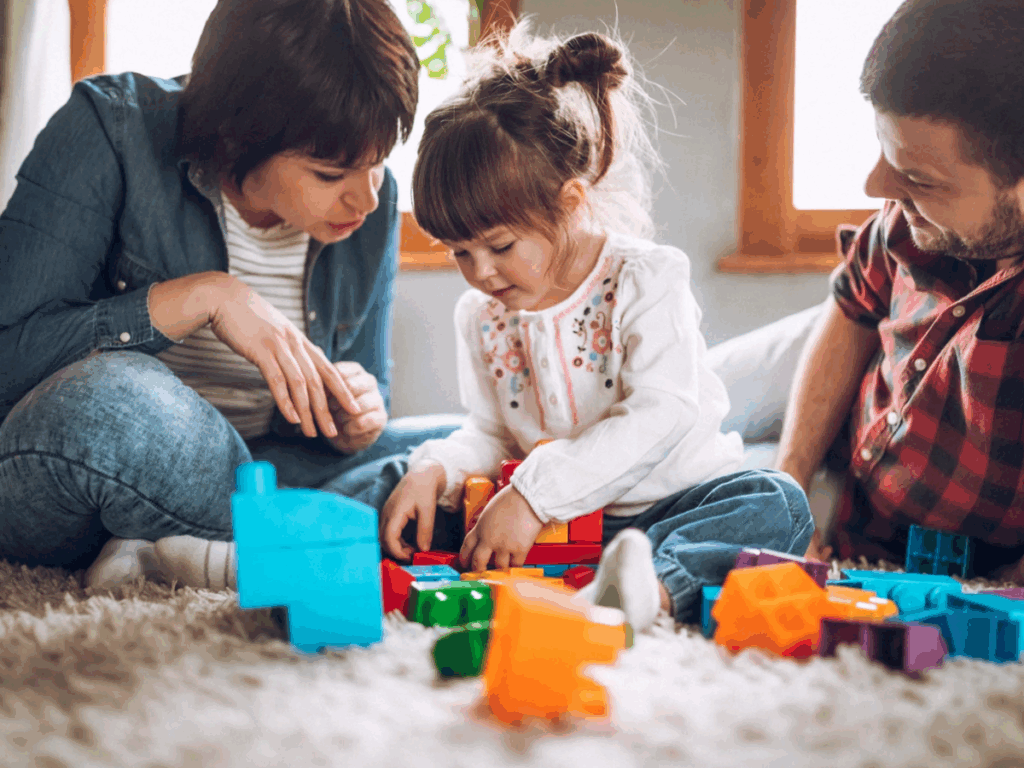
- Build Together: Try puzzles, Lego, or crafts that challenge creativity and problem-solving.
- Read and Act Out Stories: Bring books to life by using voices, gestures, and imagination.
- Let Kids Lead the Game: Follow their ideas and interests—it shows them their thoughts and creativity matter.
The Long-Term Benefits
When parents make playtime a priority, children grow up with a deep sense of belonging and happiness. They remember not just the toys but the laughter, the silly moments, and the joy of having their parents fully present. These shared moments build resilience, self-confidence, and a strong emotional foundation that children carry into adulthood.