In a world that moves so fast, it’s easy to forget that the simplest words often hold the greatest power. Teaching children to say “please,” “thank you,” and “I’m sorry” goes beyond good manners—it helps them build respect, empathy, and emotional intelligence. These “magic words” are small but mighty tools that shape how children communicate, connect, and show love to others.
Why Manners Matter in a Child’s Early Years
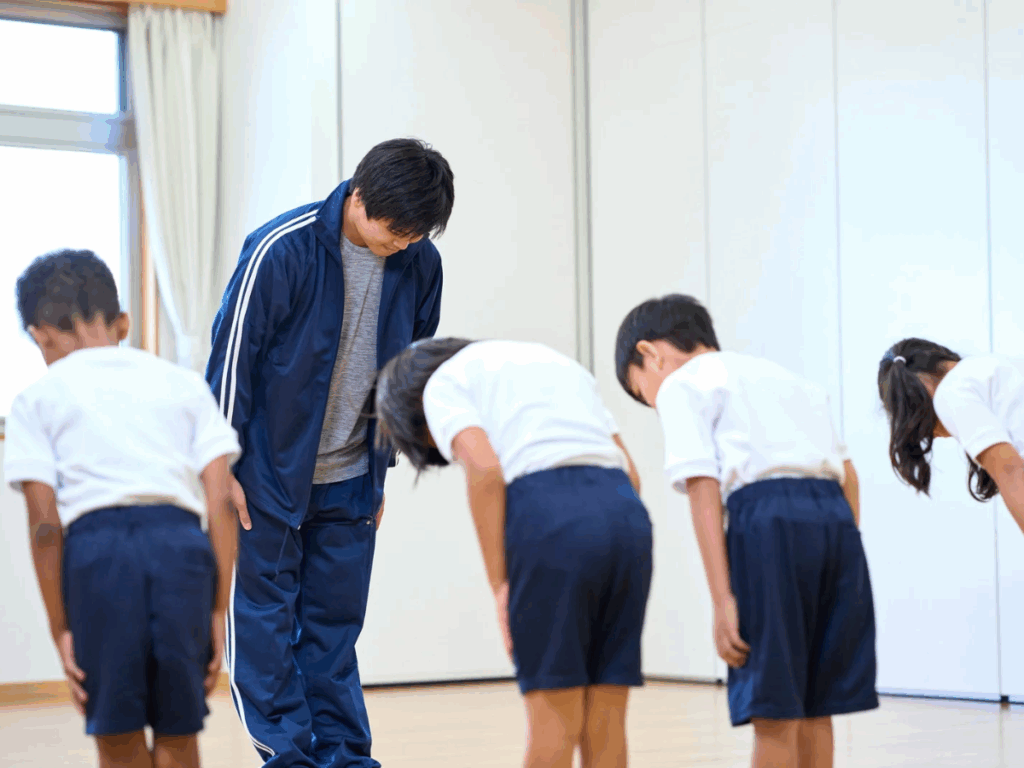
Good manners are more than polite habits—they’re reflections of a kind and thoughtful heart. When children learn to use respectful words early, they begin to understand the importance of kindness and consideration for others.
- They foster empathy: Saying “please” teaches children to ask respectfully, while “thank you” helps them recognize gratitude and appreciation.
- They build respect: Manners remind children that others’ feelings matter and that kindness strengthens relationships.
- They encourage self-control: Using polite language helps children pause, think, and express themselves in positive ways instead of reacting impulsively.
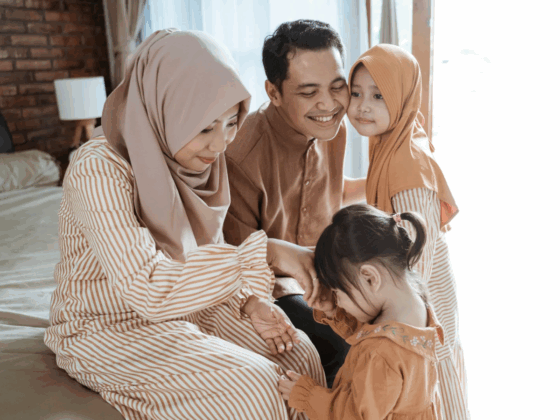
When kids grow up in a home where manners are valued, they naturally become more compassionate and emotionally aware individuals.
The Power Behind Each Magic Word
Each “magic word” carries a special meaning that guides children in how to act and treat others. Understanding their significance makes them more than just polite phrases—it turns them into lessons in love.
- Please: This word teaches humility. It reminds children that requests should come with respect, not demands.
- Thank you: A simple phrase that helps children recognize gratitude, appreciate others’ efforts, and express joy in receiving kindness.
- I’m sorry: Perhaps the most powerful of all—it teaches responsibility and empathy. Children learn that admitting mistakes and making amends strengthens relationships and emotional maturity.
When used sincerely, these words can brighten someone’s day, resolve conflicts, and remind children that respect and kindness never go out of style.
How Parents Can Teach the Magic Words
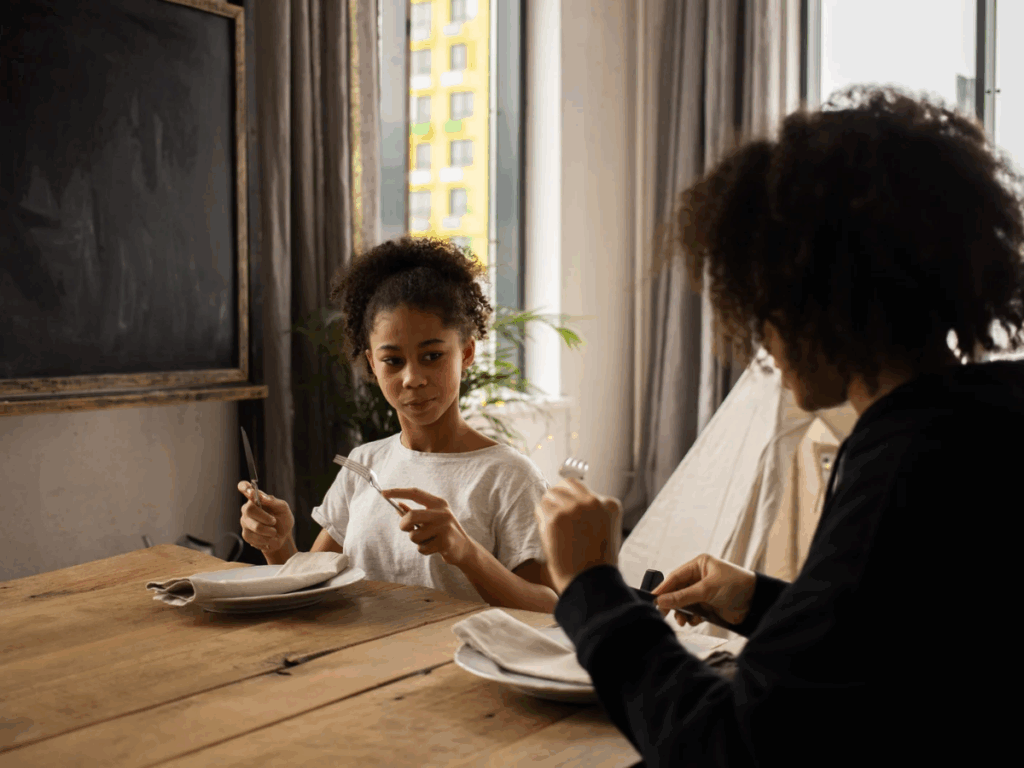
Parents are the first and most important teachers of manners. The best way to instill these values is by example. Children learn more from what they see and hear at home than from any lesson in school.
Here are some meaningful ways to teach the “magic words”:
- Model the behavior: Use please, thank you, and I’m sorry in your daily conversations so your child sees it in action.
- Praise polite moments: Acknowledge when your child uses the words sincerely—it helps reinforce positive habits.
- Use stories and role-play: Reading or acting out scenarios where characters show kindness and apology can help kids understand the emotions behind the words.
- Encourage reflection: When conflicts happen, ask questions like, “How do you think they felt?” or “What can we say to make it better?”
- Create a home of gratitude: Regularly share what you’re thankful for as a family—it nurtures appreciation and emotional connection.
The Lifelong Impact of Kindness and Respect
Children who grow up learning and practicing these words develop not just good manners but strong emotional intelligence. They become more understanding, respectful, and confident in expressing themselves.
When kids learn to say please, they learn patience.
When they say thank you, they learn gratitude.
When they say I’m sorry, they learn empathy and forgiveness.
These lessons don’t just shape polite behavior—they form the foundation of healthy relationships, meaningful communication, and genuine compassion that last a lifetime.