In today’s busy world, even children can feel overwhelmed—by schoolwork, screen time, or simply the fast pace of everyday life. Teaching kids mindfulness helps them find calm in the chaos. It’s not just about being quiet; it’s about learning to pause, breathe, and connect with their feelings. When children practice mindfulness, they build inner peace and emotional strength that guide them through life’s ups and downs.
What Is Mindfulness for Kids?
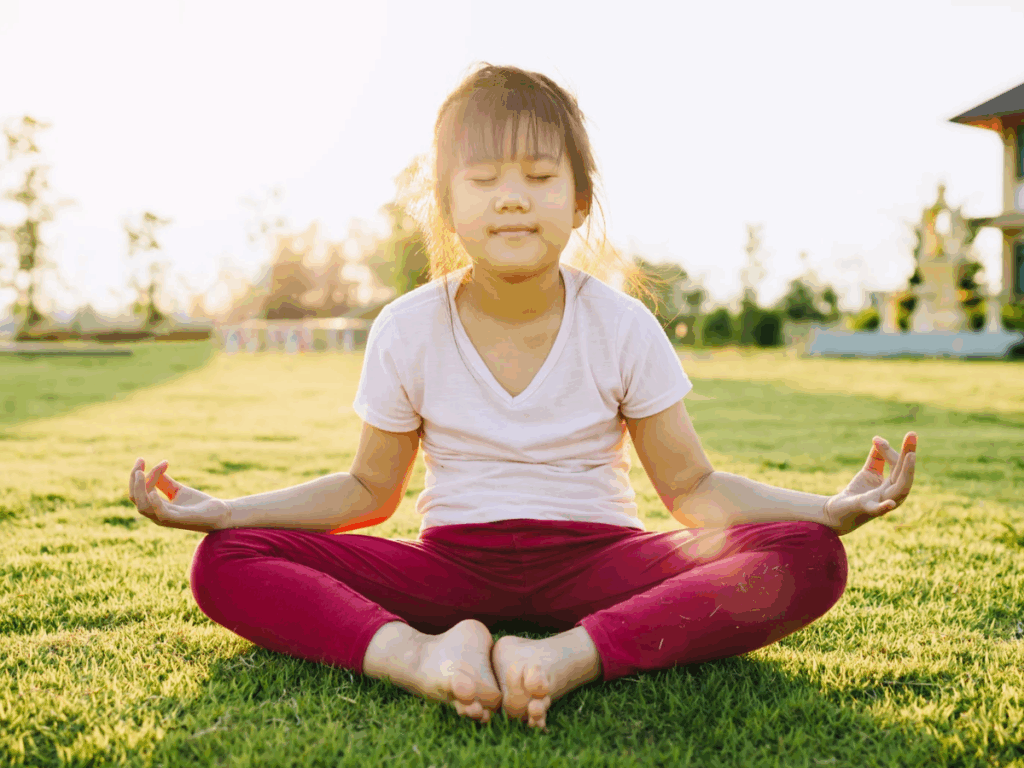
Mindfulness means paying attention to the present moment with kindness and curiosity. For children, it can be as simple as noticing the sound of the rain, feeling their breath, or focusing on how their body feels when they stretch.
When kids learn mindfulness early, they develop emotional awareness and learn to manage stress in healthy ways.
Here’s what mindfulness can do for your child:
- Helps manage emotions: Mindfulness teaches children to recognize and name their feelings instead of reacting impulsively.
- Improves focus: Regular mindfulness exercises enhance concentration, which helps children perform better in school.
- Encourages patience: By slowing down, children learn that not everything needs to happen right away.
- Fosters gratitude: Mindfulness helps children notice the small joys in life, making them more thankful and content.
Simple Mindful Moments for Kids
Mindfulness doesn’t have to be complicated. Parents can easily make it part of daily routines through short, fun activities that calm the mind and open the heart.
Try these ideas:
- Morning breathing: Start the day with three deep breaths together. Inhale calm, exhale worries.
- Mindful walks: Go outside and let your child notice the colors, sounds, and scents around them.
- Gratitude moments: Before bed, ask, “What made you smile today?” It encourages positive reflection.
- Calm-down corner: Create a cozy space with books, soft pillows, or calming music where kids can relax when they feel upset.
- Mindful art: Let them draw or paint their feelings—it’s a creative way to express emotions and regain balance.
When mindfulness becomes part of daily life, children learn that calm is always within their reach.
The Parent’s Role in Raising Mindful Kids
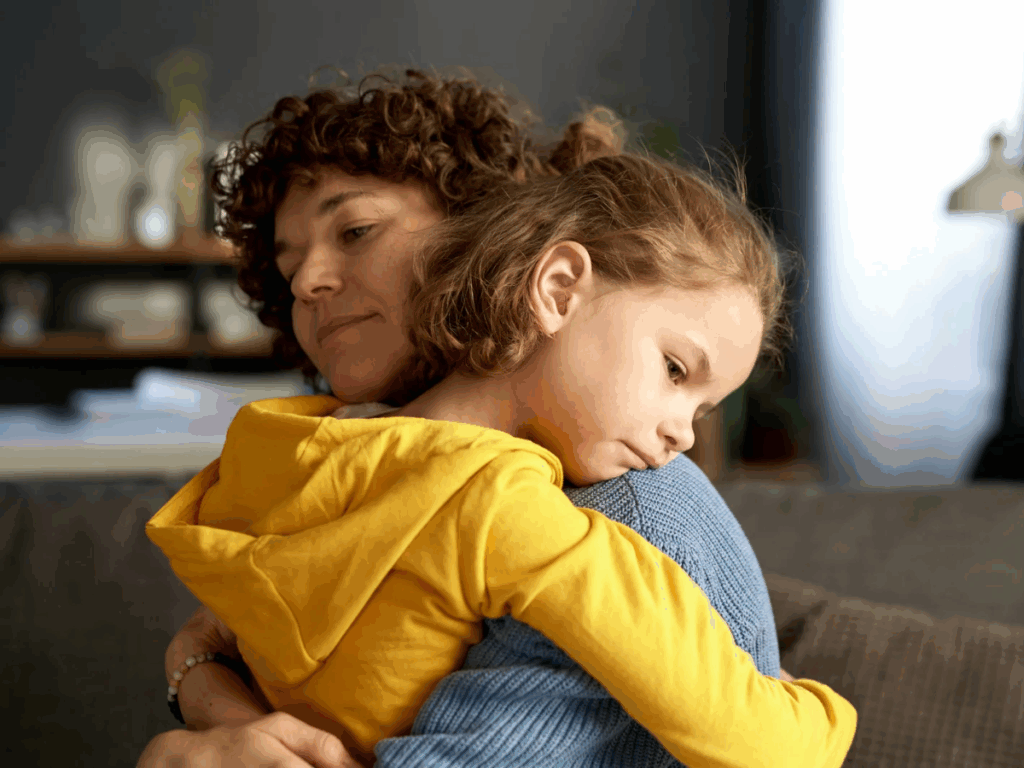
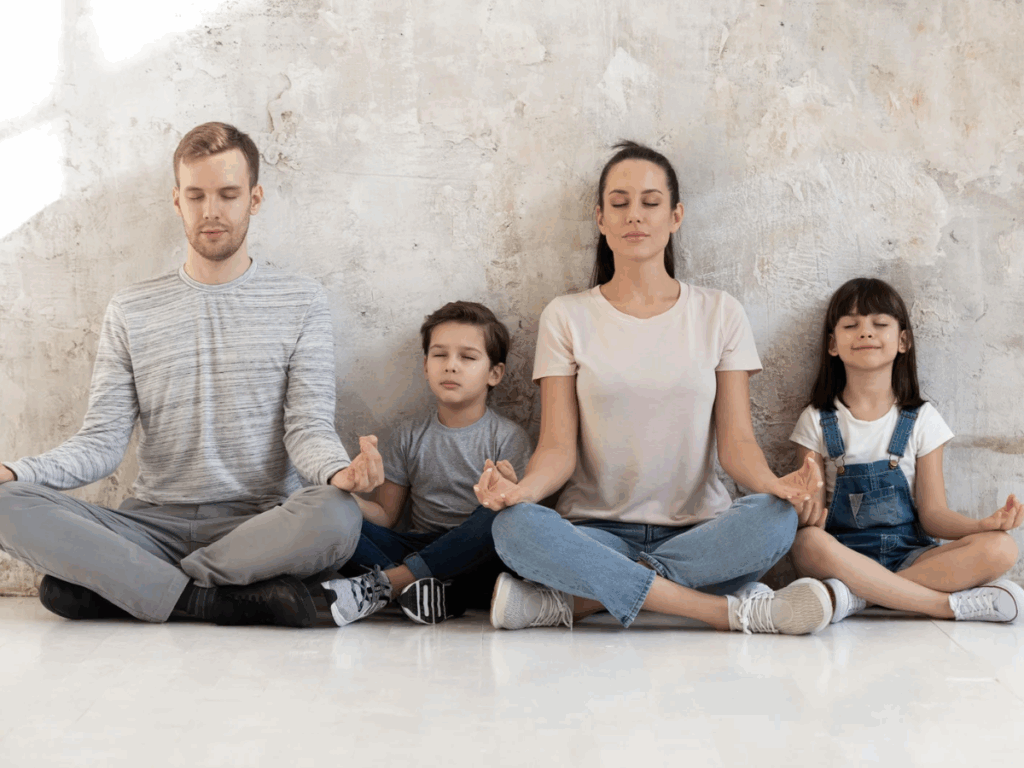
Children learn mindfulness best when they see it practiced by their parents. When adults slow down, speak gently, and handle challenges calmly, kids naturally follow their example.
Parents can nurture mindfulness by:
- Modeling calmness: Take mindful pauses during stressful moments. Children will learn that emotions can be managed thoughtfully.
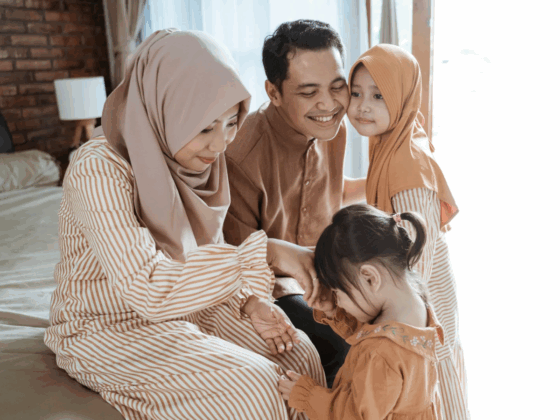
- Spending quality time together: Be fully present when you talk or play—put away distractions and listen with care.
- Encouraging stillness: Remind your child that it’s okay to rest, think, and just “be.”
- Using positive affirmations: Phrases like “You are safe,” “You are loved,” and “You can handle this” help build emotional security.
By being mindful themselves, parents show their children the beauty of slowing down and living in the present.
The Lasting Impact of Mindfulness on a Child’s Growth
Mindfulness teaches children to handle life with balance, compassion, and joy. It strengthens emotional intelligence, builds confidence, and nurtures kindness toward themselves and others.
Children who grow up practicing mindfulness often:
- Feel more secure and confident
- Handle challenges with calm and understanding
- Build stronger relationships through empathy
- Develop a deep appreciation for life’s simple moments
When a child learns to find peace within, they carry that calm heart wherever they go—a gift that lasts a lifetime.