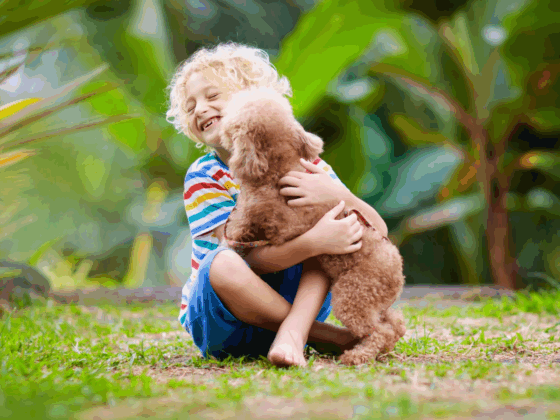
Bringing a pet into your home isn’t just about cuddles and cuteness—it can be a life-changing experience for your child. Pets offer companionship, teach responsibility, and nurture emotional growth. Whether it’s a dog, cat, hamster, rabbit, or even a fish, caring for a pet can support your child’s development in meaningful and lasting ways.
For children, especially in their early years, pets become more than just animals—they become friends, teachers, and emotional support companions.
🐾 Teaches Responsibility and Daily Routines
One of the first lessons a child learns from having a pet is responsibility. Feeding, grooming, cleaning, and walking a pet (with adult help) builds a sense of daily routine. These simple tasks teach children that living beings need care and commitment.
Even younger kids can help with age-appropriate duties like refilling the water bowl or brushing a pet’s fur. These habits promote consistency, time management, and accountability—skills they’ll carry into adulthood.
🧠 Boosts Emotional Intelligence and Empathy
Children who grow up with pets often develop stronger empathy. They learn to recognize nonverbal cues, sense emotions, and understand what it means to care for someone else’s needs. When a child sees their dog happy to see them, or their cat feeling scared during a storm, they begin to connect with feelings beyond their own.
According to Psychology Today, interacting with pets helps children practice compassion, patience, and understanding—qualities that are key to emotional intelligence.
🫶 Provides Comfort and Emotional Support
Pets offer unconditional love and a calming presence. For children navigating school stress, social challenges, or family changes, animals provide nonjudgmental companionship. They’re loyal listeners and always ready for a cuddle.
Many studies show that simply petting an animal can lower a child’s heart rate and reduce anxiety. Especially for children with special needs, behavioral issues, or emotional sensitivities, pets can provide a sense of security and stability.
💬 Encourages Communication and Confidence
👉 Download the Free Worksheet Here
Pets can help children express themselves more openly. Talking to a pet feels safe—there’s no fear of judgment or correction. This builds confidence and strengthens verbal expression.
In fact, children who are shy or struggle with reading often gain fluency by reading aloud to their pets. Programs like Read to Dogs have shown that kids are more relaxed and willing to practice literacy skills when a furry friend is listening.
🤸♂️ Promotes Physical Activity and Outdoor Play
Pets encourage movement and play—especially dogs, who need daily walks and playtime. These activities help children stay active and reduce screen time. Running in the backyard, tossing a ball, or playing chase with a pet strengthens both the body and the bond between child and animal.
Even indoor pets like cats or guinea pigs spark curiosity, movement, and gentle interaction.
👪 Builds Family Connection
Caring for a pet becomes a shared experience. Families work together on feeding, training, and playing. These shared moments create connection, laughter, and memories. Pets also help ease tension or conflict in households by bringing moments of calm and joy.
Having a pet creates opportunities for cooperation and teamwork—skills that strengthen the entire family unit.