Learning music and playing instruments is more than just a fun hobby—it’s a powerful way for children to express themselves, explore creativity, and develop life skills that will shape their growth and happiness. When parents support their children’s musical journey, they help nurture not just talent, but also confidence, joy, and a love for learning that lasts a lifetime.
Why Learning Music Matters
- Boosts Brain Development: Playing instruments strengthens memory, concentration, and problem-solving skills, helping children do better in school.
- Encourages Self-Expression: Music gives children a safe space to share their feelings and creativity, building emotional strength.
- Builds Discipline and Patience: Learning an instrument teaches children to practice regularly, set goals, and celebrate progress.
- Strengthens Confidence: Performing in front of family or friends boosts self-esteem and makes children feel proud of their abilities.
- Promotes Happiness and Relaxation: Music is a joyful activity that can help children feel calm, positive, and energized.
Fun Music Activities for Children
- Learning simple songs on a keyboard or guitar
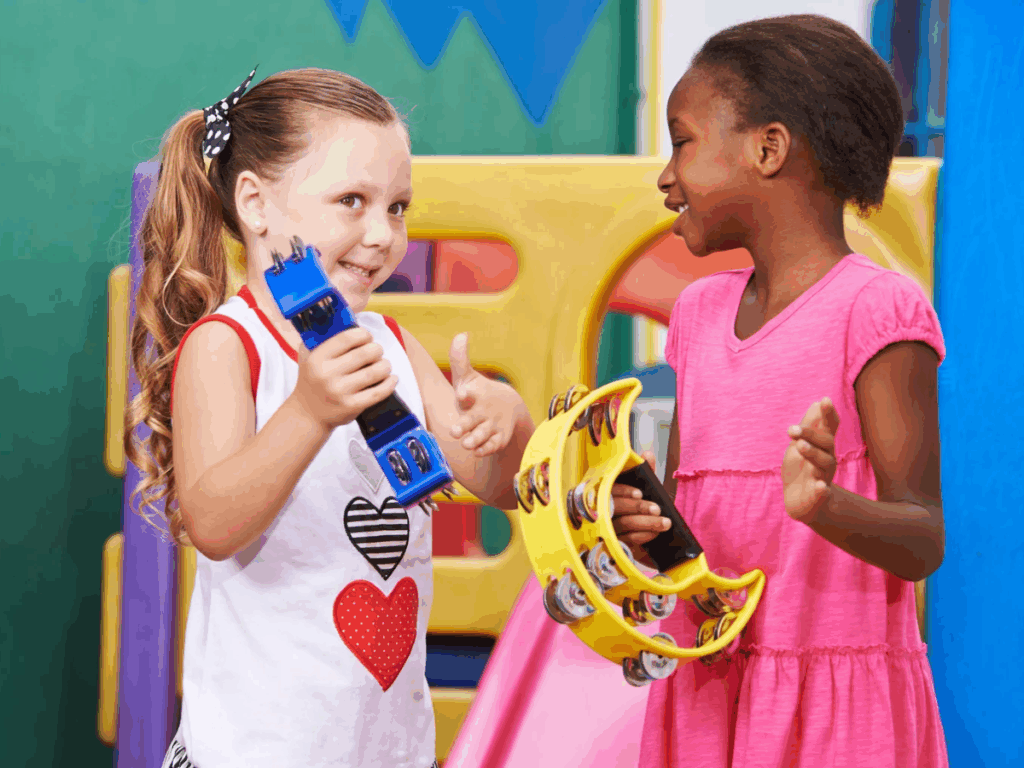
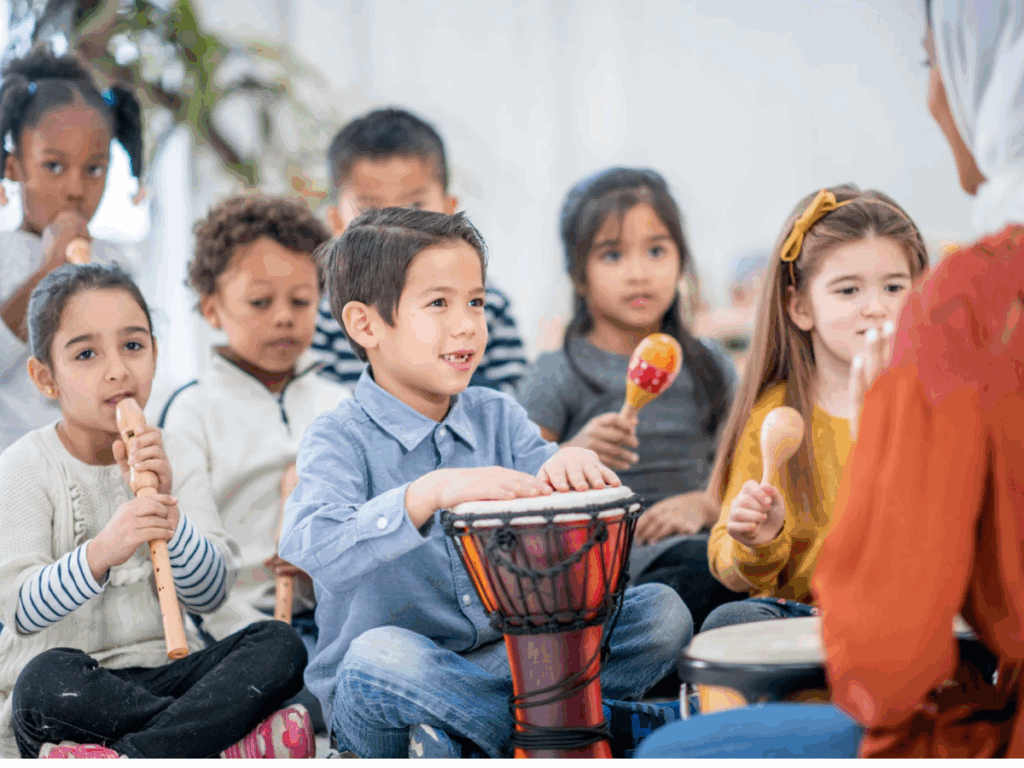
- Drumming to favorite tunes with safe, child-friendly percussion instruments
- Singing along to nursery rhymes or uplifting songs
- Creating their own melodies using a xylophone or digital music apps
- Joining a children’s choir or music group in the community
Turning Music Time into Bonding Time
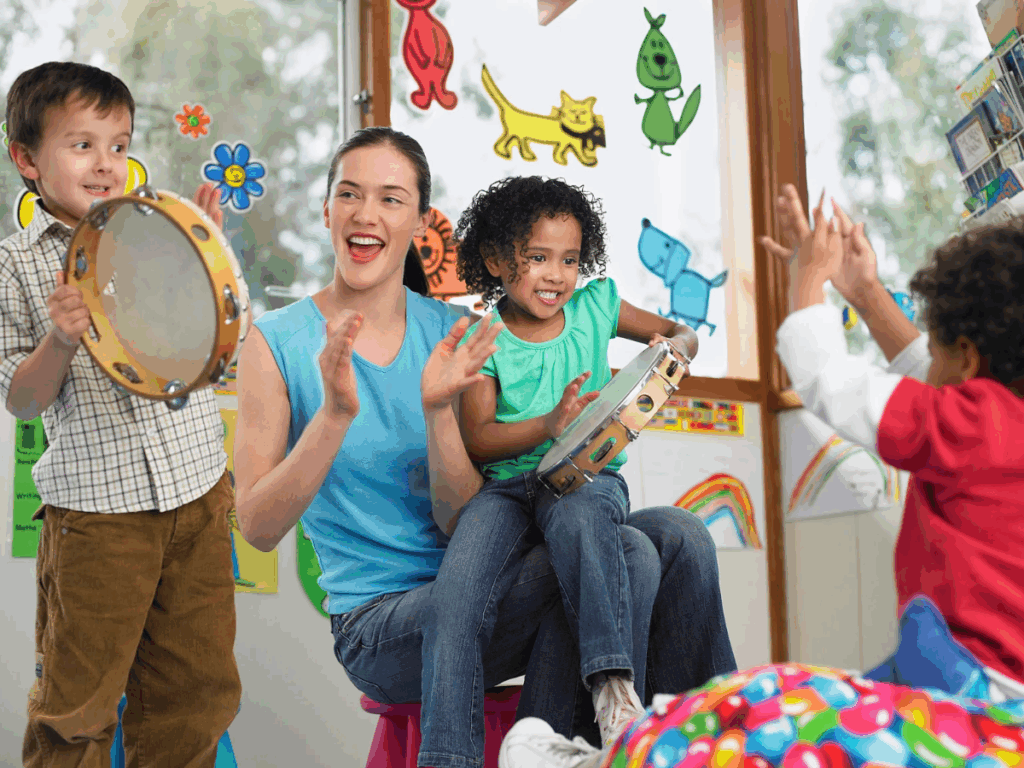
Parents can make music a shared experience by learning alongside their children, clapping along to their tunes, or joining in on sing-alongs. Even short jam sessions at home can spark joy, laughter, and connection. Encouraging children to perform for the family—whether it’s a song they’ve just learned or a piece they composed themselves—helps them feel valued and supported.
The Long-Term Benefits
A consistent and joyful musical routine builds more than skills—it nurtures creativity, resilience, and a lifelong love for art. Children who grow up surrounded by music often develop stronger focus, better emotional health, and a deeper sense of connection with others. These happy moments of playing, learning, and sharing will become treasured memories they carry well into adulthood.Learning music and playing instruments is more than just a fun hobby—it’s a powerful way for children to express themselves, explore creativity, and develop life skills that will shape their growth and happiness. When parents support their children’s musical journey, they help nurture not just talent, but also confidence, joy, and a love for learning that lasts a lifetime.
Why Learning Music Matters
- Boosts Brain Development: Playing instruments strengthens memory, concentration, and problem-solving skills, helping children do better in school.
- Encourages Self-Expression: Music gives children a safe space to share their feelings and creativity, building emotional strength.
- Builds Discipline and Patience: Learning an instrument teaches children to practice regularly, set goals, and celebrate progress.
- Strengthens Confidence: Performing in front of family or friends boosts self-esteem and makes children feel proud of their abilities.
- Promotes Happiness and Relaxation: Music is a joyful activity that can help children feel calm, positive, and energized.
Fun Music Activities for Children
- Learning simple songs on a keyboard or guitar
- Drumming to favorite tunes with safe, child-friendly percussion instruments
- Singing along to nursery rhymes or uplifting songs
- Creating their own melodies using a xylophone or digital music apps
- Joining a children’s choir or music group in the community
📚 Lendy Tutorial Services
We offer online tutoring for kids anywhere in the world 🌍. Math, English, Science, Reading & more — with patient, expert teachers who care.
💬 Message us on WhatsAppFlexible schedules | Affordable rates | Fun & engaging lessons
Turning Music Time into Bonding Time
Parents can make music a shared experience by learning alongside their children, clapping along to their tunes, or joining in on sing-alongs. Even short jam sessions at home can spark joy, laughter, and connection. Encouraging children to perform for the family—whether it’s a song they’ve just learned or a piece they composed themselves—helps them feel valued and supported.
The Long-Term Benefits
A consistent and joyful musical routine builds more than skills—it nurtures creativity, resilience, and a lifelong love for art. Children who grow up surrounded by music often develop stronger focus, better emotional health, and a deeper sense of connection with others. These happy moments of playing, learning, and sharing will become treasured memories they carry well into adulthood.